Top 10 Sheet Metal Screw Types for Your Next Project?

Time:2026-08-23 Author:Sienna
0%

When embarking on a project that requires fastening, selecting the right type of Sheet Metal Screw is crucial. According to industry reports, the global demand for screws, particularly in metalworking, continues to rise steadily. In 2022, the sheet metal screw market was valued at approximately $3.5 billion and is projected to grow by 5% annually. This growth highlights the importance of understanding the various types of screws available and their specific applications.

Sheet Metal Screws are designed to perform well in various environments. Their robust design makes them ideal for metal-to-metal and metal-to-wood applications. However, not all screws are created equal. It’s essential to consider factors such as thread type, material, and coating. For instance, self-tapping and self-drilling screws provide different advantages depending on the project. Ignoring these details can lead to structural weaknesses.

Choosing the optimal Sheet Metal Screw can be challenging due to endless options. Many professionals overlook the importance of screw selection, which can compromise project integrity. Rather than accepting the first type of screw that appears adequate, a deeper dive into specifications and performance is necessary. Understanding the nuances will ultimately ensure a successful outcome.
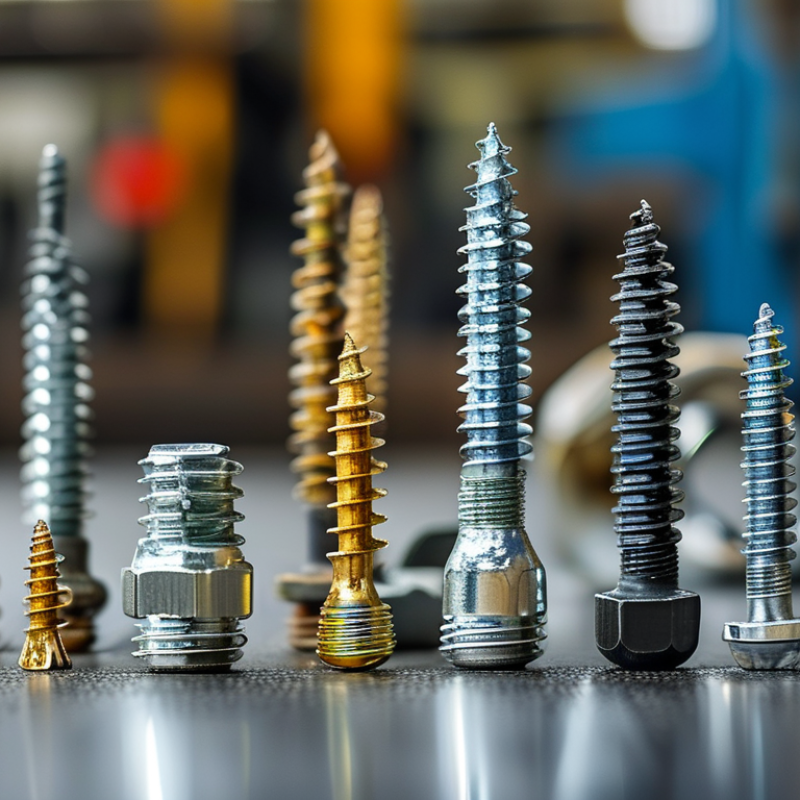
Top 10 Sheet Metal Screw Types for Your Next Project?

Understanding Sheet Metal Screws: Types and Uses

When working with sheet metal, selecting the right screws is crucial. Different types of sheet metal screws serve specific purposes. Understanding these variations can enhance your project's overall quality. For instance, self-drilling screws feature a pointed tip that eliminates the need for pre-drilling. This can save time and effort, especially in outdoor projects or metal-to-metal applications.

Multiple materials are used for these screws, each with unique properties. Stainless steel screws are resistant to corrosion, making them ideal for outdoor use. In contrast, zinc-plated screws provide decent rust resistance at a lower cost. There are also screws designed with unique thread patterns, catering to varied material thickness and density. A common challenge is choosing the proper length. If too short, screws may not hold well. If too long, they can protrude and create safety hazards.

Testing different types in real scenarios is beneficial. This hands-on approach can reveal unexpected strengths and weaknesses. A screw that works well in one project might not perform in another. Therefore, understanding screws' characteristics and aligning them with specific needs can lead to better outcomes. Experiment, document results, and refine your choices over time.

Top 10 Sheet Metal Screw Types for Your Next Project

Screw Type Material Head Type Drive Type Common Uses
Self-Tapping Screw Steel Pan Head Phillips Metal Fabrication
Machine Screw Stainless Steel Flat Head Slotted Electrical Equipment
Sheet Metal Screw Aluminum Hex Head Torx HVAC Applications
Self-Drilling Screw Carbon Steel Bugle Head Phillips Roofing Installation
Lag Screw Brass Square Head Hex Heavy Duty Applications
Wood Screw Titanium Round Head Pencil Furniture Assembly
Set Screw Alloy Steel Socket Head Hex Mechanical Applications
Concrete Screw Plastic Flat Head Phillips Masonry Work
Drywall Screw Steel Bugle Head Phillips Drywall Installation

Common Materials for Sheet Metal Screws and Their Properties

When selecting sheet metal screws, the choice of material is critical. The most common types are steel, stainless steel, and aluminum. Steel screws are robust and affordable, boasting high tensile strength. According to a report by ASTM International, steel components can withstand loads of up to 150 ksi. However, they may corrode when exposed to moisture, requiring protective coatings.

Stainless steel screws resist rust and corrosion, making them ideal for outdoor applications. They have a lower tensile strength compared to carbon steel, typically around 70 ksi. However, their durability in harsh environments justifies their higher cost. A study by the American Iron and Steel Institute highlights that stainless steel provides excellent performance in coastal areas due to its resistance to saltwater.

Aluminum screws are lightweight and corrosion-resistant. They provide moderate strength, usually around 40 ksi, and are ideal for applications where weight reduction is key. Nevertheless, their soft nature may lead to cross-threading in some situations. Users should note that aluminum screws are not suitable for high-load applications, as they may strip easily. Understanding these properties can guide you in choosing the right sheet metal screw for your project.

Top 10 Sheet Metal Screw Types and Their Properties

Choosing the Right Sheet Metal Screw Size for Your Project

Choosing the right sheet metal screw size is crucial for any project. A solid understanding of screw dimensions and specifications makes a significant difference. Screws come in various sizes, from 6 to 14 gauge, depending on the material's thickness. A larger screw is not always better; it can cause damage or deformation.

Consider the type of sheet metal you are using. Thicker metal requires stronger screws, while thinner sheets can be compromised by oversized screws. Always measure the thickness before selection. A handy gauge tool can help ensure accuracy. Also, pay attention to the screw length. Too short, and it won't grip; too long, and it might protrude or damage underlying structures.

The head type also matters. Flat heads sit flush, while pan heads offer more grip. Choosing the right head can impact both aesthetics and performance. If you are new to this, it’s okay to make mistakes. Wrong sizes may lead to project delays. Assessing the screw size thoroughly can save you from frustration later. It's a learning experience; reflect on your choices for future improvement.

Installation Techniques for Sheet Metal Screws

When working with sheet metal screws, proper installation techniques are essential for ensuring durability and effectiveness. A recent report states that nearly 25% of projects suffer from improper fastening methods, which can lead to structural weaknesses. Selecting the right screw type is only the beginning; installation plays a vital role in overall performance.

Proper pilot hole depth is crucial. For most applications, a pilot hole should be 75% of the screw's diameter. This allows the screw to penetrate the material while minimizing stress. According to engineering guidelines, misjudged hole sizes can cause deformation in thin materials, compromising the assembly. For example, an installation error can lead to a 15% reduction in joint strength.

Technique matters significantly. Employing a steady rotation speed is key when driving screws into metal. Too fast can strip threads; too slow can create friction heat that weakens the metal. Studies show an optimal speed range of 200-400 RPM for most sheet metal projects. Additionally, the use of the right driver bit can prevent cam-out, which often results in inaccurate fastening. Keeping these details in mind can mitigate failure risks and enhance the longevity of your assembly.

Maintenance and Best Practices for Sheet Metal Screw Longevity

The longevity of sheet metal screws can significantly affect the outcome of your project. Regular maintenance and selection of appropriate materials are crucial. According to industry reports, the corrosion rate of unprotected screws can be as high as 10 microns per year in harsh environments. This highlights the need for protective coatings or materials that resist corrosion, particularly in outdoor applications.

Proper installation techniques also play a vital role in screw durability. Over-tightening can lead to stripping or snapping. Conversely, under-tightening can result in loosening over time. Studies suggest that a torque value of 12-15 in-lbs is optimal for most sheet metal screws, but variations exist based on the application. Ensure you are familiar with the specifications relevant to your project.

Beyond installation, regular inspections can identify wear and potential failure points early. Replacing rusted or damaged screws promptly can prevent further damage to your project. It's essential to develop a maintenance schedule. Tracking environmental conditions—such as humidity and pollutants—can help predict maintenance needs. In summary, balancing proper techniques with ongoing care can maximize the lifespan of sheet metal screws.

FAQS

: What types of sheet metal screws are commonly available?

: Common types include self-drilling screws, stainless steel screws, and zinc-plated screws, each serving specific purposes.

Why is screw length important in sheet metal applications?

A screw that is too short won't hold well, while one that is too long may protrude, creating safety hazards.

How do I determine the correct screw size for my project?

Measure the material thickness using a gauge tool and consider screw dimensions, including the appropriate length and gauge.

Can the head type of screws influence project outcomes?

Yes, flat heads sit flush, while pan heads provide more grip. The head type affects both aesthetics and performance.

What maintenance practices are important for screw longevity?

Regular inspection, appropriate installation, and using corrosion-resistant materials are key to maximizing screw lifespan.

How can over-tightening or under-tightening affect screws?

Over-tightening may strip or snap the screw, while under-tightening can lead to loosening, compromising the project’s integrity.

Is it okay to make mistakes when choosing screws?

Yes, mistakes are part of the learning process. Reflecting on errors can help improve future choices and prevent frustration.

What environmental factors should I consider for screw maintenance?

Track humidity and pollutants, as they can affect corrosion rates and maintenance needs over time.

How often should I inspect sheet metal screws?

Regular inspections are crucial to identify wear and replace damaged screws promptly to prevent further project issues.

What is the optimal torque value for installing sheet metal screws?

A torque of 12-15 in-lbs is commonly recommended, but always check specifications relevant to your specific application.

Conclusion

In this article, we explore the essential aspects of Sheet Metal Screws, highlighting various types and their specific applications in different projects. Understanding the distinct characteristics and materials, such as stainless steel and zinc-coated variants, helps in selecting the right screw for durability and corrosion resistance. Furthermore, we discuss how to choose the appropriate size of Sheet Metal Screws to ensure a secure fit, along with effective installation techniques that minimize damage to the materials being joined.

In addition, maintenance tips and best practices are provided to enhance the longevity of Sheet Metal Screws, ensuring they remain reliable over time. This comprehensive guide serves as a valuable resource for both DIY enthusiasts and professionals aiming to achieve optimal results in their metalworking projects.


Sienna

Sienna

Sienna is a skilled marketing professional with a deep expertise in our company’s core products and services. With a passion for innovation and detail, she plays a pivotal role in crafting insightful blog posts that not only highlight the unique features of our offerings but also provide valuable......