In the evolving world of construction, concrete screws play a pivotal role in fastening and structural integrity. As industry expert John Smith states, “The right concrete screw can make or break a project." This emphasizes the crucial selection process for builders worldwide. Understanding diverse needs and applications is vital in 2026.
Global buyers are increasingly aware of how concrete screws affect durability and performance. Innovations are reshaping the market, pushing manufacturers to meet high standards. In this competitive landscape, quality and reliability must be prioritized when sourcing these critical components.
Reflecting on current trends, it’s evident that not all concrete screws are created equal. Misunderstandings about types and uses can lead to costly mistakes. Therefore, staying informed is essential. Each decision impacts construction outcomes. As the demand grows, so does the need for informed choices in the concrete screw sector.
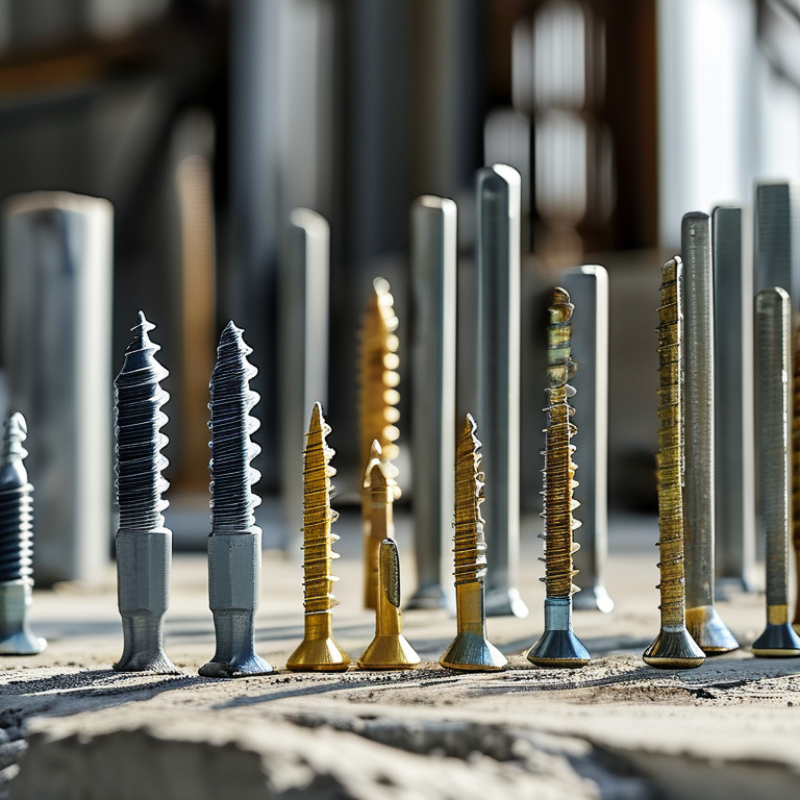
Concrete screws are essential in construction. They provide strong fastening solutions for various materials, including concrete and masonry. These screws come in various sizes and designs, tailored for different applications. Their importance cannot be overstated, as they ensure structural integrity and longevity.
Choosing the right concrete screw is crucial. The depth of the screw and its material should match the project’s needs. Outdoor projects may require corrosion-resistant options. When selecting screws, consider environmental factors. This ensures reliable performance over time.
Tips: Always pre-drill holes before inserting screws. This avoids cracking and ensures a better fit. Additionally, use the correct driver bit to match your screw size. An improper fit can lead to inefficiencies or failure. Regularly check your tools and screws for wear and tear. Maintenance is key to performance.
| Screw Type | Diameter (mm) | Length (mm) | Pull-out Strength (N) | Coating Type | Recommended Use |
|---|---|---|---|---|---|
| Standard Concrete Screw | 6 | 50 | 800 | Zinc | Light-duty applications |
| Heavy-duty Concrete Screw | 8 | 70 | 1200 | Black Phosphate | Medium to heavy-duty applications |
| Anchor Screw | 10 | 80 | 1500 | Galvanized | Heavy-duty anchoring |
| Self-tapping Concrete Screw | 6 | 60 | 900 | Copper | Quick installation in concrete |
: Concrete screws are used for fastening materials like concrete and masonry. They ensure strong connections.
Match the screw's material and depth to your project needs. Consider environmental conditions for reliability.
Pre-drilling prevents cracking and ensures a better fit for the screws. It enhances overall performance.
No, features vary. Some have self-tapping points, while others may offer deeper threads for better grip.
Regularly check your screws and tools for wear and tear. This maintenance is key to their performance.
User feedback helps manufacturers improve screws. It can lead to better designs, though not every change is ideal.
New technologies focus on durability and ease of use. These changes reflect increasing market demands and expectations.
Demand fluctuates with construction activity. Growing infrastructure projects increase the need for reliable fasteners.
Concrete screws are an essential component in construction, providing secure fastening solutions for various applications. Their importance lies in their ability to anchor materials to concrete surfaces, ensuring structural integrity and safety. When selecting concrete screws, buyers should prioritize key features such as material durability, corrosion resistance, and appropriate threading designs that cater to specific project requirements.
In 2026, the market for concrete screws is expected to see significant advancements in technology, improving performance and ease of use. Global trends indicate increasing demand for high-quality concrete screws that enhance efficiency and reliability in construction projects. A well-informed buying guide can assist customers in choosing the right concrete screws tailored to their needs, covering factors such as project type, environmental conditions, and material compatibility. With these considerations, buyers can ensure optimal outcomes for their construction endeavors.