When embarking on your next construction project, choosing the right fastener is crucial. Deck screws stand out as a reliable option for various applications. According to the 2023 Fastener Quality Report, 78% of contractors prefer deck screws for their strength and durability. Expert John Smith, a well-known figure in the fastening industry, states, “Deck screws provide superior grip and resistance to corrosion.” This statement emphasizes the practical benefits derivable from using deck screws.
With the rise of outdoor decking projects, the need for robust fasteners continues to grow. Deck screws are designed specifically for wood, making them less likely to strip or break under pressure. Their unique thread design enhances pull-out resistance. However, not all deck screws are created equal; some may wear down quickly or rust prematurely. It's essential to choose high-quality options based on rigorous testing and performance metrics.
In a market filled with choices, deck screws rise to meet industry demands. They help improve the integrity of your structures, thanks to their design and engineering. Nevertheless, it's vital to remain informed about the latest innovations and manufacturing standards. Continuous learning is key for selecting the best deck screws for ensuring long-lasting projects.
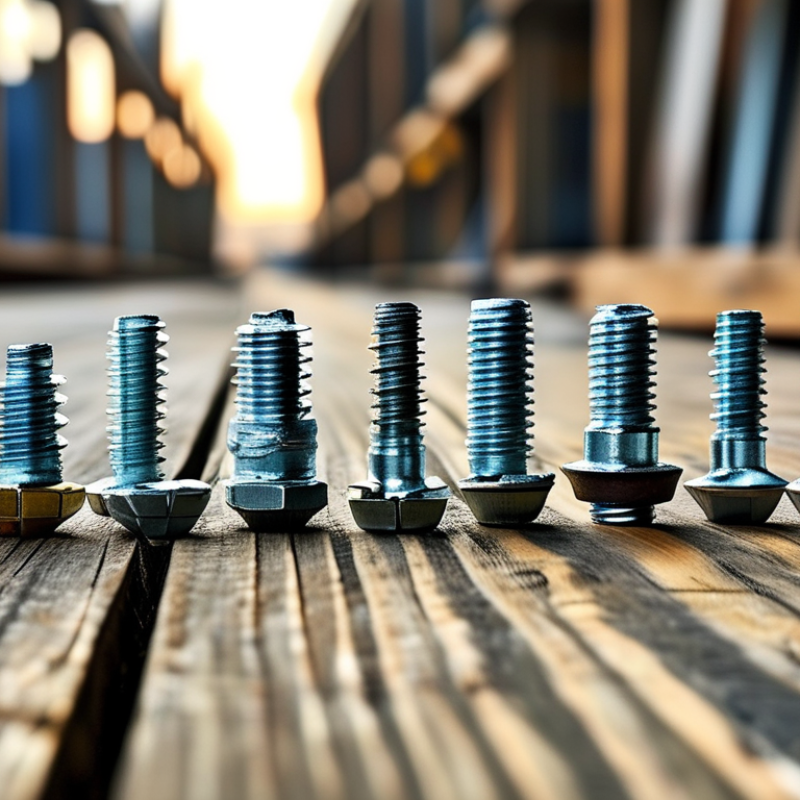
When it comes to construction projects, choosing the right fastener is crucial.
Deck screws offer several advantages over traditional nails. One key benefit is their superior holding power. Deck screws have threads that grip the wood more effectively, reducing the risk of splitting. This quality enhances the structural integrity of your project, especially in decks and outdoor structures.
Another advantage is resistance to corrosion. Many deck screws are made with coatings that protect against rust and deterioration. This is essential for projects that face the elements. Nails do not provide this level of protection, which can lead to costly repairs. Additionally, deck screws are easier to remove and replace if adjustments are needed. This flexibility can save time and effort down the line.
When using deck screws, consider pre-drilling for optimal results. This can prevent splitting in hardwoods and provide a cleaner finish. A consistent driving speed helps to avoid stripping the screw head. Remember to check for proper length; too short won’t provide enough grip. These small details can greatly impact the durability of your construction.
When selecting deck screws, it's crucial to understand the various types available. Deck screws come in multiple materials, such as stainless steel, carbon steel, and coated options. According to industry research, stainless steel screws are highly corrosion-resistant. This makes them ideal for coastal areas. In contrast, coated screws offer protection from weather and wear but can wear down over time.
The size and threading of deck screws also matter. Most commonly, screws range from #8 to #10 gauges. Screws with deeper threads provide better grip in softwoods like pine. In harder woods, finer threads can prevent splitting. Reports indicate that properly sized and threaded screws can improve the longevity of a deck by up to 30% when compared to using nails.
An often overlooked factor is screw length. Standard lengths range from 1.5 to 3 inches. Using screws that are too short can lead to weak joints. Experts advise choosing screws that penetrate at least 1.5 inches into the support structure. This provides better stability but may require extra care to avoid over-driving. Remember, the best choice depends on your project's specific needs and materials, making informed selection vital.
When selecting deck screws, the material and coating are crucial for durability. Stainless steel offers excellent corrosion resistance, making it ideal for outdoor projects. Copper and brass also have good longevity but may not withstand harsh weather as well. The choice of material significantly impacts the overall lifespan of your deck.
Coating is equally important. Coated screws protect against rust and wear, enhancing longevity. Polymer coatings can provide a barrier against moisture and help resist scratching. However, some coatings may wear away over time, revealing unprotected metal underneath. It’s essential to weigh the benefits of coated versus uncoated screws for your specific project needs.
Choosing the right combination of material and coating isn’t always straightforward. Some coatings might improve performance but could increase costs. Additionally, DIYers may find it challenging to navigate the vast options available. Understanding the environment where the deck will be placed is key to making an informed choice.
| Material | Coating Type | Corrosion Resistance (Years) | Rust Proof | Best Use |
|---|---|---|---|---|
| Stainless Steel | Plain | 15+ | Yes | Coastal Areas |
| Carbon Steel | Zinc-Plated | 5-7 | No | Dry Environments |
| Boron Steel | Black Oxide | 10 | Yes | Heavy Load Applications |
| 304 Stainless Steel | Ceramic Coated | 20+ | Yes | High Humidity Areas |
| Aluminum | Anodized | 10-15 | Yes | Lightweight Projects |
When considering deck screws for outdoor projects, understanding their performance is crucial. Recent industry statistics reveal that high-quality deck screws significantly outperform traditional fasteners in various conditions. For example, corrosion resistance plays a vital role in their longevity. Many deck screws offered today boast advanced coatings, which can extend their lifespan by up to seven times compared to conventional screws.
Research indicates that nearly 80% of deck failures stem from the use of subpar fasteners. These failures often lead to costly repairs and safety hazards. Deck screws, specifically designed for outdoor use, minimize these risks. They provide enhanced grip and stability in wooden structures. However, not every project may require premium options. Some applications may allow for less robust screws, highlighting the importance of evaluating specific needs before making a choice.
Moreover, it's noteworthy that while many users trust these screws for their reliability, occasional reports suggest that even the best products can fail under extreme conditions. Weathering, prolonged exposure to moisture, and temperature fluctuations can challenge even high-quality screws. A proactive approach includes conducting regular inspections of outdoor structures to ensure integrity and safety over time.
When undertaking a project that requires deck screws, proper installation is crucial. A tight fit helps to maintain the structural integrity of your deck. Start by pre-drilling holes at the ends and along the sides of your boards. This step prevents wood from splitting and provides a cleaner finish. It's important to drill straight. Angled holes can lead to weak spots later.
Choosing the right length and gauge of screw is also essential. A longer screw increases holding power, especially for thicker boards. However, too long can pierce through and cause damage underneath. Pay attention to the space between screws, too. Aim for consistent spacing, typically around 16 inches apart. This balance assures even weight distribution, adding to the deck’s longevity.
Don’t forget environmental factors. Moisture can rust screws, so consider using coated versions. If it rains, wait until the area dries to prevent corrosion issues over time. Installation mistakes can lead to costly repairs, but taking time to do it right from the start can save headaches down the road.
: Deck screws are commonly made from stainless steel, carbon steel, and coated options.
Stainless steel screws resist corrosion well, making them suitable for humid and salty environments.
Properly sized and threaded screws enhance grip and can extend deck longevity by 30%.
Standard deck screw lengths range from 1.5 to 3 inches for better joint stability.
Coated screws protect against rust and enhance durability, but coatings can wear down over time.
Weather, moisture, and temperature changes can lead to potential failures, even with high-quality screws.
Nearly 80% of deck failures result from poor-quality fasteners, leading to repairs and safety risks.
Not all projects need premium screws; evaluating specific needs is crucial for cost-effective choices.
DIYers must navigate material options and environmental conditions to select appropriate screws.
Regular inspections help maintain structural integrity and ensure safety over time.
Deck screws offer numerous advantages over traditional nails in construction projects, particularly in outdoor applications where exposure to the elements can compromise structural integrity. Their design allows for greater grip and reduces the risk of splitting wood, making them a reliable choice for building decks, fences, and other exterior structures. There are various types of deck screws available, each catering to specific materials and project requirements, and understanding these options can greatly influence the outcome of a project.
The longevity of deck screws is further enhanced by the materials and coatings applied, providing resistance to corrosion and wear. Additionally, industry statistics indicate that properly selected and installed deck screws outperform nails in terms of durability and performance. Implementing best practices during installation can ensure that deck screws secure structures effectively, maintaining their integrity over time. Ultimately, choosing deck screws for your next project can lead to a more robust and lasting construction solution.