Choosing the right Concrete Nail is more important than comparing price alone. A dependable nail must enter hard masonry cleanly, hold firmly, and resist bending during installation. For global buyers, small differences in steel grade, shank design, head size, and surface treatment can affect project results.
This guide examines ten concrete nails selected for practical construction needs. The comparison considers penetration strength, grip, corrosion resistance, packaging, and supplier consistency. It also looks at real working details, such as hammer impact, dusty job sites, and storage in humid warehouses. A nail that performs well in dry indoor work may not suit coastal construction or outdoor repairs.
Performance matters.
Reliable suppliers should provide clear specifications, sample approval, and traceable quality records. Buyers should confirm dimensions, material details, coating type, and available testing documents before placing large orders. Packaging deserves attention too. Bent points, mixed sizes, or damaged cartons can create unnecessary waste during shipping.
No list is perfect. Installation tools, concrete density, and worker technique can change the final result. I have included practical considerations because laboratory strength figures do not always match a busy construction site. Some recommendations may need further testing for unusual concrete mixes or severe climates. Treat this selection as a professional starting point, not a substitute for product verification. With careful sampling and honest supplier communication, international buyers can choose a Concrete Nail that offers dependable holding power, safer installation, and better long-term value.
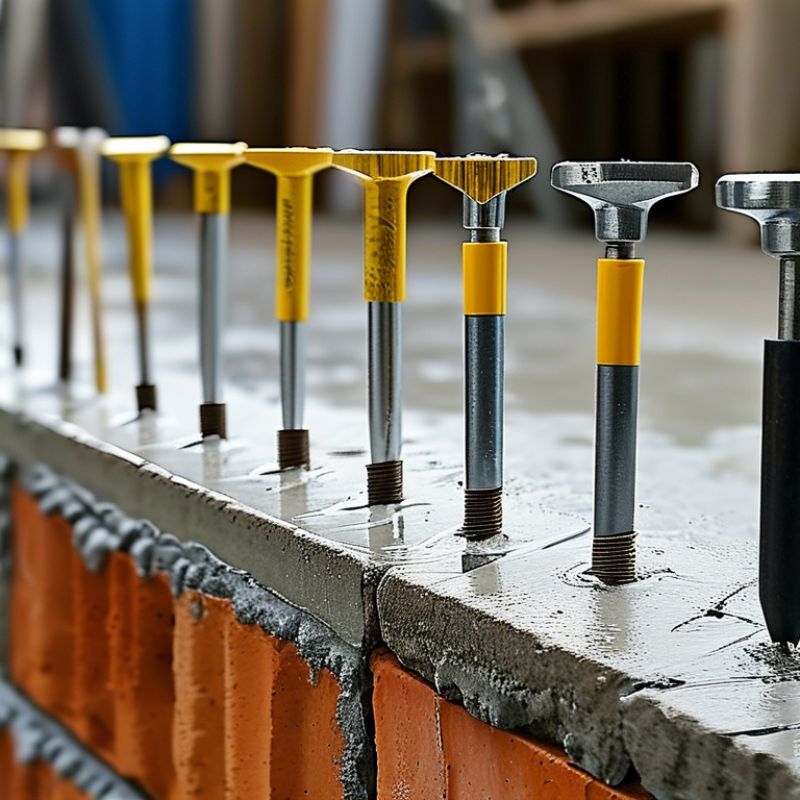
10 Best Concrete Nails for Global Buyers
Concrete nails are hardened steel fasteners designed to penetrate masonry, concrete, and dense blockwork. Unlike ordinary wire nails, they resist bending when driven against hard aggregate. A poor nail may curl, crack the surface, or leave a loose fixing behind.
Their importance becomes clearer at scale. The International Energy Agency reports that cement production reached roughly 4.1 billion tonnes in 2022 and contributes about 7% of global carbon dioxide emissions. The 2023 Global Status Report for Buildings and Construction also attributes 37% of global energy demand and 34% of energy-related emissions to the buildings sector. Small fasteners cannot solve this burden, but reliable installation can reduce rework, damaged surfaces, and wasted materials.
Global buyers should assess nail hardness, shank design, head diameter, coating, length, and packaging durability. ASTM F1667 provides a useful reference for driven fastener performance, although local specifications may differ. In practice, a 40 mm nail may suit a light cable clip, while heavier fixtures usually need greater embedment and controlled spacing. Dusty concrete changes everything. So does a blunt hammer.
Product claims deserve checking. Laboratory strength does not always match a cold jobsite, uneven concrete, or an inexperienced installer. The best choice balances holding power, corrosion resistance, tool compatibility, and consistent dimensions across shipments. That judgment is less exciting than a simple ranking, but it is usually more dependable.
Choosing the 10 best concrete nails depends on the project, not only the product description. Compare nail length with the required embedment depth and fixture thickness. A nail that is too short may loosen under vibration. One that is too long can damage hidden services or weaken a thin slab. Hardened steel usually suits dense concrete, while shank design affects holding power and driving resistance.
Check the concrete age, strength, and surface condition before comparing options. Older concrete can become surprisingly difficult to penetrate. Damp coastal sites also demand better corrosion resistance than dry indoor rooms. Head diameter matters when fastening timber strips, cable clips, or metal brackets. Review tested load data, dimensional consistency, and the supplier’s quality documentation. Local construction standards may differ, so confirm requirements before placing a large order.
Tips: Test a small batch first. Use the same hammer, pilot method, and concrete sample. Record bending, cracking, and pull-out behavior. Eye protection and suitable gloves are essential. I have found that catalogue claims rarely reveal every site problem. Even an excellent nail can fail when the substrate is dusty, cracked, or unusually hard. Packaging should also protect points from moisture and prevent mixed sizes during transport. For global purchasing, compare total cost, inspection support, delivery conditions, and replacement policies, not just the unit price.
| Rank | Concrete Nail Type | Typical Material | Common Diameter | Common Length | Shank Profile | Typical Head Style | Surface / Corrosion Protection | Recommended Applications | Concrete Condition | Installation Method | Relative Holding Performance | Main Advantage | Key Limitation |
|---|---|---|---|---|---|---|---|---|---|---|---|---|---|
| 1 | Hardened Smooth-Shank Concrete Nail | Heat-treated high-carbon steel | 2.5–4.0 mm | 25–75 mm | Smooth, straight shank | Flat round head | Bright steel or light zinc coating | Attaching timber battens, light framing, and general interior fixtures to concrete or masonry | Sound, relatively dense concrete and masonry | Hammer-driven; pilot drilling may be used in very hard concrete | Medium to High | Fast installation and broad availability | Less resistance to withdrawal than fluted or ring-shank designs |
| 2 | Fluted-Shank Masonry Nail | Hardened carbon steel | 3.0–4.5 mm | 30–90 mm | Longitudinal flutes or ribs | Flat or countersunk head | Plain steel, black oxide, or zinc coated | Securing wood strips, cable clips, metal brackets, and light construction accessories | Concrete block, brick, and medium-density concrete | Hammer-driven with controlled impact | High | Improved mechanical interlock and good withdrawal resistance | Can split brittle masonry if overdriven or installed too close to an edge |
| 3 | Ring-Shank Concrete Nail | Heat-treated steel | 3.0–4.5 mm | 30–80 mm | Continuous circumferential rings | Large flat head | Bright steel or zinc coated | Applications requiring stronger resistance to loosening, such as battens and permanent fixtures | Dense concrete and solid masonry | Hammer-driven; a pilot hole is often preferred | High | Strong withdrawal resistance compared with a smooth shank | Higher driving force and greater risk of damage in weak substrates |
| 4 | Cut Masonry Nail | Hardened flat steel | 3.0–5.0 mm | 25–75 mm | Tapered rectangular shank | Flat rectangular or oval head | Usually plain steel; corrosion-resistant versions may be zinc coated | Restoration work, wood-to-masonry fastening, and traditional trim installation | Brick, block, and older masonry with adequate integrity | Hammer-driven, generally with the narrow edge aligned to reduce splitting | Medium to High | Good grip and useful for restoration-style work | Not ideal for very hard concrete; brittle masonry may crack |
| 5 | Concrete Nail with Large Washer Head | Hardened steel | 3.0–4.2 mm | 25–65 mm | Smooth or lightly fluted | Integral oversized washer head | Zinc plated or mechanically galvanized | Fastening thin sheet materials, insulation boards, mesh, and membranes to concrete | Sound concrete and masonry surfaces | Hammer-driven; pilot drilling can improve consistency | Medium | Large head distributes clamping pressure and reduces pull-through | Oversized head may be unsuitable where a concealed finish is required |
| 6 | Countersunk Concrete Nail | Heat-treated carbon steel | 2.5–4.0 mm | 25–60 mm | Smooth or fluted shank | Conical countersunk head | Bright steel, black oxide, or zinc coated | Trim, skirting, interior carpentry, and applications requiring a flush surface | Sound concrete, brick, and dense block | Hammer-driven; countersinking must be controlled | Medium | Neat finished appearance with a recessed head | Overdriving can damage the material around the head |
| 7 | Zinc-Coated Concrete Nail | Hardened steel with zinc coating | 2.5–4.5 mm | 25–90 mm | Smooth, fluted, or ring shank | Flat round head | Electroplated or mechanically galvanized zinc | Indoor utility work, semi-protected areas, and projects needing improved storage and handling resistance | Dry or moderately humid concrete and masonry | Hammer-driven; select a pilot hole for dense concrete | Medium to High | Better atmospheric corrosion resistance than uncoated steel | Zinc coating can be damaged during driving and is not a substitute for stainless steel in severe exposure |
| 8 | Hot-Dip Galvanized Concrete Nail | Hardened steel with hot-dip galvanized coating | 3.0–4.5 mm | 30–90 mm | Smooth or fluted shank | Flat round or washer head | Thicker hot-dip zinc coating | Exterior framing, sheltered outdoor fixtures, and damp construction environments | Concrete and masonry exposed to normal outdoor humidity | Hammer-driven; pilot drilling is recommended for hard substrates | High | More durable corrosion protection than thin electroplated coatings | Bulkier coating may affect tight tolerances and finished appearance |
| 9 | Stainless Steel Concrete Nail | Corrosion-resistant stainless steel, commonly austenitic or martensitic grade | 2.5–4.0 mm | 25–75 mm | Smooth or fluted shank | Flat round or countersunk head | Stainless steel surface; no additional coating normally required | Coastal areas, wet rooms, exterior trim, and projects where staining and corrosion are concerns | Moist, humid, or salt-influenced environments, subject to grade selection | Hammer-driven with a suitable pilot hole | Medium to High | Excellent corrosion resistance when the correct grade is selected | Usually more expensive and may have lower impact hardness than specialized hardened steel nails |
| 10 | Powder-Actuated Fastening Nail | Special hardened steel, often with an integral washer or guidance feature | 3.0–4.5 mm | 15– 가능? mm | Smooth or knurled shank, depending on system | Integral washer or enlarged head | Zinc plated or purpose-specific protective finish | Rapid attachment of metal tracks, clips, and light-duty components to structural concrete | Sound structural concrete; substrate suitability must be verified | Installed with a compatible powder-actuated tool by trained personnel | High | Very fast installation and consistent embedment when correctly specified | Requires compatible tools, safety controls, training, and verification of the substrate |
Selection should be based on substrate strength, required embedment, load type, edge distance, moisture exposure, nail diameter, and the manufacturer’s verified performance data. Concrete nails are not interchangeable with structural concrete anchors for critical or heavily loaded connections.
10 Best Concrete Nails for Global Buyers
Ten Concrete Nail Types for Diverse Construction Materials and Conditions
Concrete nail selection depends on the substrate, load, moisture, and installation tool. In field work, I match the fastener to the surface rather than choosing by appearance. Hardened steel nails suit ordinary concrete and mortar joints. Fluted-shank nails improve grip in dense concrete. Cut masonry nails work well in softer brick and block. Ballistic-point nails can reduce bending during impact. They need controlled hammer blows.
Galvanized concrete nails resist moderate outdoor moisture. Stainless steel nails are better for coastal air, damp rooms, and chemical exposure. Electro-galvanized nails fit interior framing and light renovation tasks. Copper-coated nails offer smooth driving and limited corrosion protection. Concrete pins work with compatible manual or powered tools for cables, clips, and thin channels. Washer-head nails help secure insulation boards and membranes without tearing their surfaces.
Size still matters. A long nail may crack a narrow masonry edge, while a short one may pull out under vibration. Check the concrete age, hardness, and hidden services before drilling or driving. Wear eye protection and follow the tool manufacturer’s instructions. I have seen experienced installers bend good nails by rushing the first impact. That mistake is avoidable, but not always. Test one fastener in a concealed area, inspect the hole, and confirm holding strength before repeating the installation.
Selecting the right concrete nail starts with the substrate, not the package label. Concrete density, age, cracking, and moisture all affect holding power. The USGS Mineral Commodity Summaries 2024 reports about 4.1 billion metric tons of cement production worldwide in 2023, showing how widely concrete applications vary. A nail suitable for a dry interior wall may fail in dense precast concrete or a damp exterior slab.
For light-duty fixing, choose hardened nails with a suitable diameter and length. The nail should penetrate firmly without reaching embedded cables or pipes. For heavier loads, tested mechanical anchors or engineered direct-fastening systems may be safer than ordinary concrete nails. Check pull-out performance under ASTM E488 testing and follow the installation limits stated in the relevant evaluation report.
Corrosion resistance also matters. Zinc-coated nails may suit sheltered areas, while stainless steel is usually better near salt, rain, or chemical exposure. A common mistake is choosing length by appearance. I have seen short nails loosen after repeated vibration.
Tips: Match nail hardness to concrete strength. Use a pilot hole when the substrate is brittle. Keep edge distance generous. Inspect for cracks before drilling. Wear eye and hearing protection, and use tools that meet ANSI A10.3 requirements. These details feel slow, but rushing often creates weak fixing points. Even the best nail cannot compensate for poor spacing or an uncertain substrate.
For global buyers, the 10 best concrete nails are not chosen by appearance alone. They need consistent hardness, sharp points, straight shanks, and reliable pull-out performance. The World Steel Association reported approximately 1.89 billion tonnes of crude steel production in 2023. This scale supports broad sourcing, but steel quality still varies between mills and regions. Ask suppliers for material certificates and batch traceability.
Quality checks should follow recognized methods. ASTM F1667/F1667M provides guidance for driven fasteners, while ISO 6892-1 supports metal tensile testing. For incoming goods, ISO 2859-1 sampling plans can reduce subjective inspection. Check nail length, head diameter, coating thickness, hardness, and bending resistance. Test samples from different cartons. One perfect sample proves little.
Packaging also affects quality. Use moisture-resistant inner bags, strong cartons, and clear labels showing size, quantity, material, lot number, and production date. ISTA transport testing can help simulate vibration, drops, and compression during shipping. Supplier evaluation should include production capacity, inspection records, export experience, and response time. Request recent test reports, not generic documents. A factory visit is useful, but it cannot replace independent testing. I would also compare defect rates across three shipments. The cheapest quotation may hide weak packaging or unstable hardness. That mistake is easy to make.
Common nominal lengths used in commercial concrete-nail procurement. Buyers should confirm diameter, steel grade, surface treatment, applicable requirements such as ASTM F1667 where specified, packaging quantity, test reports, and supplier inspection procedures before ordering.
The listed lengths are widely used commercial reference sizes rather than a universal international standard. Packaging commonly ranges from small retail packs to bulk cartons, so buyers should evaluate pack count, gross weight, moisture protection, carton strength, labeling, traceability, and supplier quality documentation.
: Concrete nails are hardened steel fasteners for masonry, concrete, and dense blockwork. They resist bending better than ordinary wire nails. Poor nails may curl, crack surfaces, or loosen later.
Match the nail length with fixture thickness and required embedment depth. A 40-millimeter nail may suit a light cable clip. Heavier fixtures usually need deeper embedment. Too short. Too loose.
Shank shape affects holding power and driving resistance. Some profiles grip dense concrete more effectively. However, stronger resistance can make installation harder. Test before ordering heavily.
Review concrete age, strength, cracks, moisture, and surface cleanliness. Older concrete may be unexpectedly difficult to penetrate. Dust can reduce holding performance. Cracked concrete needs extra caution.
Yes, head diameter influences how securely the fixture stays in place. Larger heads can support timber strips, cable clips, and metal brackets better. The head should not damage thin materials.
Corrosion resistance matters more in damp, coastal, or exposed locations. Dry indoor rooms may require less protection. Choose a suitable coating for the environment. Conditions change everything.
Request load data, dimensional records, coating details, and quality documents. Use recognized fastener standards as helpful references. Local requirements may differ. Check them before large purchases.
Test a small batch using the same hammer, tool, and concrete sample. Record bending, surface cracking, and pull-out behavior. Inspect several nails, not just one. One successful test proves little.
Dusty surfaces, blunt hammers, poor spacing, and unsuitable embedment can weaken fixings. An inexperienced installer may also damage the concrete. Eye protection and suitable gloves are essential. Installation matters as much as hardness.
Compare packaging strength, moisture protection, shipment consistency, inspection support, and replacement policies. Packaging should protect sharp points and prevent mixed sizes. A cheaper nail may create more rework. I would still question every catalogue claim.
This guide explains why the Concrete Nail is an important fastening solution in global construction, especially when securing materials to concrete, masonry, and other hard substrates. It introduces the main characteristics that influence performance, including nail material, hardness, shank design, point shape, corrosion resistance, holding strength, installation method, and compatibility with different tools. By comparing these factors, buyers can better understand how nail selection affects safety, durability, efficiency, and project cost.
The article presents ten concrete nail types suited to diverse construction materials and working conditions, from general indoor projects to demanding outdoor or high-moisture environments. It also outlines a practical selection process based on substrate, load requirements, climate, installation conditions, and applicable quality standards. For global purchasing, the guide highlights the importance of consistent specifications, reliable testing, protective packaging, clear labeling, production capacity, inspection procedures, and transparent supplier evaluation. These considerations help buyers choose dependable products and reduce risks throughout international construction supply chains.